Source essential oil amber glass bottle for Cosmetics, Perfume, and Cleaning
Compare 30 essential oil amber glass bottle options from verified Chinese manufacturers. Buyers can evaluate capacities ranging from 5ml to 1000ml, seal types, and customization features for personal care and medical applications.
Key considerations
Products List


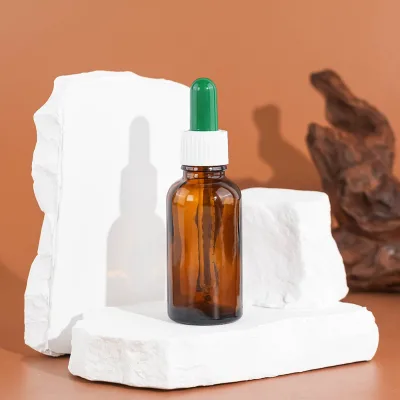


Comprehensive Sourcing Guide
Strategic Sourcing Guide for Essential Oil Amber Glass Bottles
Understanding Technical Specifications and Material Integrity
When sourcing essential oil amber glass bottles, the primary objective is to secure packaging that preserves product integrity while meeting logistical demands. The core material for these containers is glass, specifically identified as melt glass in high-confidence product data. This material choice is critical because glass is chemically inert, ensuring that the essential oils do not react with the container walls, which could alter the scent or efficacy of the product. The amber coloration is not merely aesthetic; it serves a functional purpose by filtering out ultraviolet light, which can degrade sensitive organic compounds found in essential oils and perfumes.
Buyers must verify specific dimensional and shape parameters during the selection process. The market offers a variety of shapes, including round bottles and oval designs, with the round configuration being a standard option for many applications. The capacity range is a significant variable, with observed product standards spanning from 5ml to 200ml, and in some specialized lines extending up to 1000ml. Specific models such as JYP10, JYP, and IDKYM212 indicate that manufacturers produce distinct SKUs tailored to different volume requirements. When evaluating a potential supplier, it is essential to confirm that the specific model number aligns with the intended volume, as a 5ml bottle will have different wall thickness and neck dimensions compared to a 100ml variant.
The closure system is equally vital for maintaining the seal. The observed data indicates a preference for aluminum screw caps, lotion pumps, and atomizers, with screw caps being a dominant feature. Some listings specifically mention a "leak-proof lock" sealing type, which is a non-negotiable requirement for volatile essential oils that can evaporate or leak if the seal is compromised. Additionally, the presence of glass droppers is noted in certain configurations, offering a precise dispensing method for high-value oils. Buyers should ensure that the cap material is compatible with the glass neck and that the sealing mechanism is robust enough to withstand shipping vibrations and temperature fluctuations.
Compliance, Certification, and Regulatory Standards
Navigating the regulatory landscape is a critical step in the procurement of glass packaging, particularly for products intended for personal care, medical, or cosmetic use. The supply chain for essential oil bottles often involves strict adherence to international safety and environmental standards. High-confidence data confirms that compliant products frequently carry certifications such as RoHS, REACH, LFGB, FDA, and ISO. These certifications indicate that the materials used in the glass and the closures are free from harmful substances like lead and cadmium, and that the manufacturing process meets specific hygiene and safety criteria.
The FDA certification is particularly relevant for products intended for the North American market, ensuring that the packaging does not leach toxic elements into the contents. Similarly, LFGB (German Food and Feed Code) and REACH (Registration, Evaluation, Authorization, and Restriction of Chemicals) are essential for European markets, verifying that the glass and inks used for printing are safe for contact with consumable or topical products. The ISO certification suggests that the manufacturer operates under a quality management system that ensures consistency in production.
Buyers must also consider the H.S. Code for customs classification, which for glass bottles is typically 7010909000. This code helps in calculating accurate duties and taxes. It is important to note that while certifications are listed as attributes of the products, they are not universal guarantees for every single unit in a supplier's catalog. Procurement teams should request current, valid certificates of analysis (CoA) and specific certification documents for the exact batch or model being ordered. Relying on general marketing claims without verifying the specific documentation for the intended shipment can lead to compliance failures at customs or in the final market.
Cost Drivers and Economic Factors in Procurement
The economics of sourcing essential oil amber glass bottles are influenced by several interconnected factors, including material costs, customization requirements, and order volume. The observed price range for these products is between $0.03 and $0.70 USD per unit. This wide variance is driven by the complexity of the design, the thickness of the glass, the type of closure included, and the volume of the order. A simple 5ml bottle with a basic screw cap will likely sit at the lower end of this spectrum, while a 100ml bottle with a custom-printed design, an atomizer, or a specialized dropper will command a higher price.
Minimum Order Quantity (MOQ) is a significant cost driver in this sector. The data indicates an MOQ range of 1,000 to 100,000 pieces. For small businesses or startups, the higher end of this range can be a barrier to entry. However, suppliers often offer "Free Sample" options, allowing buyers to test the quality before committing to a large production run. This is a crucial strategy for mitigating risk. Additionally, the availability of customization is a key factor in pricing. While standard plain bottles are more economical, adding printed designs, specific colors, or custom molds increases the unit cost and may require higher MOQs to amortize the setup costs.
Payment terms also play a role in the financial planning of the procurement process. The standard payment method observed is T/T (Telegraphic Transfer), which is common in international trade. Buyers should negotiate payment schedules that align with their cash flow, such as a deposit upon order confirmation and the balance before shipment. The lead time, observed to be around 15 days for production, must be factored into the total cost of ownership, as delays can disrupt supply chains and increase inventory holding costs.
Typical Applications and Market Versatility
The versatility of amber glass bottles makes them suitable for a diverse array of applications beyond just essential oils. The product data explicitly lists usage scenarios including medical applications, cosmetics, personal care products, and cleaning bottles. This broad applicability stems from the chemical stability of the glass and the protective qualities of the amber tint. In the medical field, these bottles are used for storing tinctures, serums, and other liquid medications that require protection from light degradation.
For the cosmetics and personal care industry, the bottles serve as elegant packaging for facial oils, toners, and lotions. The ability to customize the bottle with printed labels or specific cap types allows brands to differentiate their products on crowded retail shelves. The "Eco-Friendly" feature noted in product attributes is increasingly important for consumers who prefer sustainable packaging solutions. Glass is infinitely recyclable, and the use of amber glass reduces the need for additional UV-blocking additives in the product formulation.
Furthermore, the data mentions "Essential Oils" and "Perfume" as specific usage categories, highlighting the primary market for these items. The inclusion of "Clearning Bottles" suggests utility in household maintenance products, where the glass prevents corrosion from acidic or alkaline cleaning agents. The "Round Bottle" and "Oval" shapes offer aesthetic variety, allowing manufacturers to choose a form factor that best suits their brand identity. Whether for a luxury perfume brand or a practical cleaning product line, the amber glass bottle provides a reliable and versatile packaging solution.
Supplier Evaluation and Customization Capabilities
Evaluating a supplier requires a deep dive into their production capabilities, customization options, and quality assurance processes. The data indicates that customization is available and supported, with suppliers accepting custom orders. This includes the ability to produce bottles in various sizes, from 5ml to 200ml and beyond, and to offer different closure types like aluminum screw caps, lotion pumps, and atomizers. The "Automatic Inspection System for Whole Process" is a significant advantage, suggesting that the manufacturer employs automated technology to detect defects in real-time, ensuring a high level of consistency and reducing the risk of shipping damaged goods.
Buyers should verify the origin of the products, as the data points to China and specifically Xiamen as production locations. Understanding the geographic location of the factory can help in assessing logistics costs and lead times. The ability to offer OEM (Original Equipment Manufacturer) services is another critical indicator of a supplier's flexibility. This means the supplier can produce bottles with the buyer's branding, logos, and specific design requirements. However, buyers must be cautious to distinguish between standard offerings and truly custom solutions, as the latter often come with higher MOQs and longer lead times.
When assessing a supplier, it is essential to review their packaging standards. The observed data mentions "Shrink Wrapped and Carton or Pallet" packaging, as well as "Carton" and "Pallet or Carton Packaging" options. Proper packaging is vital to prevent breakage during transit, especially for glass products. A reputable supplier will have robust packaging protocols that include cushioning materials and secure stacking methods. Additionally, the "Sample: Free" attribute suggests that suppliers are willing to provide samples for evaluation, which is a strong indicator of confidence in their product quality.
Quality Control and Long-Term Procurement Strategy
Implementing a rigorous quality control (QC) strategy is paramount when sourcing glass bottles. The "Leak-proof Lock" and "Sealing Type" attributes highlight the importance of testing the integrity of the closure system. Buyers should request leak tests and drop tests to ensure that the bottles can withstand the rigors of shipping and handling. The "Automatic Inspection System" mentioned in the supplier advantages is a positive sign, but it should be complemented by third-party inspections or pre-shipment inspections conducted by the buyer's team.
Long-term procurement considerations involve building a sustainable relationship with suppliers who can scale with the buyer's growth. The observed lead time of 15 days is relatively short, but buyers should confirm if this timeline holds during peak seasons. Consistency in the "prod_standard" (e.g., 5ml-100ml or 30ml-120ml) is crucial for maintaining brand consistency. If a supplier changes the dimensions or glass thickness without notice, it could affect the fit of the caps or the shelf appearance.
Buyers should also monitor the "prod_packing" standards to ensure that the packaging remains consistent over time. Changes in packaging materials or methods can lead to increased breakage rates. Finally, maintaining open communication regarding certification renewals and compliance updates is essential. As regulations evolve, suppliers must adapt their processes to remain compliant. By focusing on these quality and strategic factors, buyers can secure a reliable supply chain for their essential oil amber glass bottles, ensuring product safety and brand integrity.
Summary of Key Procurement Parameters
To facilitate a clear comparison of the critical attributes observed in the market, the following table summarizes the key parameters that buyers should verify during the sourcing process. This table consolidates the technical, compliance, and logistical data points derived from the product information.
| Parameter Category | Observed Attributes & Standards | Verification Requirement |
|---|---|---|
| Material & Color | Glass (Melt Glass), Amber, Transparent | Confirm UV protection and chemical inertness. |
| Dimensions | 5ml to 1000ml (Models: JYP, IDKYM212, etc.) | Match specific model number to volume needs. |
| Shape | Round, Oval | Ensure shape aligns with brand aesthetic. |
| Closures | Aluminum Screw Caps, Lotion Pumps, Atomizers, Glass Droppers | Test for leak-proof integrity and compatibility. |
| Certifications | RoHS, REACH, LFGB, FDA, ISO | Request valid CoA and certificate copies for the batch. |
| MOQ | 1,000 to 100,000 Pieces | Negotiate based on initial order volume. |
| Lead Time | Approximately 15 Days | Confirm timeline during peak production seasons. |
| Origin | China (Xiamen) | Assess logistics costs and customs implications. |
| Packaging | Shrink Wrapped, Carton, Pallet | Verify packaging strength to prevent breakage. |
| Customization | Available (OEM, Printing, Custom Order) | Define scope of customization and associated costs. |
By adhering to these guidelines and verifying the specific parameters listed above, buyers can make informed decisions that balance cost, quality, and compliance when sourcing essential oil amber glass bottles.
FAQs
What certifications do essential oil amber glass bottles have?
These bottles typically carry RoHS, REACH, LFGB, FDA, and ISO certifications. These standards ensure the glass and closures are free from harmful substances and safe for medical, cosmetic, and food-contact applications.
Which shapes are available for essential oil amber glass bottles?
Round and oval shapes are commonly available for these bottles. Buyers can select from various models like JYP10 or IDKYM212 to find the specific geometry that fits their branding and dispensing needs.
Can suppliers provide free samples for essential oil amber glass bottles?
Yes, many suppliers offer free samples for evaluation before bulk orders. This allows buyers to verify the leak-proof lock quality, glass thickness, and closure compatibility without committing to the minimum order quantity immediately.
How long is the lead time for essential oil amber glass bottles?
The standard lead time for production is approximately 15 days. This duration may vary based on customization requirements, order volume, and the specific factory location, such as those in Xiamen or other parts of China.
What is the minimum order quantity for essential oil amber glass bottles?
The minimum order quantity ranges from 1,000 to 100,000 pieces depending on the supplier and product model. Lower MOQs are often available for standard sizes, while custom designs may require higher volume commitments.
Which cap types are compatible with essential oil amber glass bottles?
Compatible closures include aluminum screw caps, lotion pumps, atomizers, and glass droppers. These options ensure a secure, leak-proof seal necessary for volatile essential oils and perfumes during shipping and storage.
How are essential oil amber glass bottles packaged for shipment?
Bottles are typically shrink-wrapped and packed in cartons or on pallets. This robust packaging method prevents breakage during transit and ensures the glass integrity remains intact upon delivery to the buyer.